Why you deserve (good) therapy

You’re likely reading this blog because you’re considering therapy but aren’t quite ready to take the plunge yet. Or you have already tried therapy but are looking for something different. In the first blog, we covered what to expect from a therapy session and introduced this practice as psychodynamic focused. In the second blog, we went into more detail on what “psychodynamic psychotherapy” actually means, and how it differs from other therapies you may have heard of or tried.
Building on these themes, we want to consider a question many people ask themselves: Why go to therapy? More importantly, why you deserve the kind of therapy that goes beyond symptom relief: therapy that is intensive, depth-oriented, and likely to lead to lasting and meaningful change in your life. Hartley Psychotherapy offers this kind of depth-oriented therapy, but you might be wondering what the alternative is.
A few years ago, they were everywhere. You may have heard about them through your favourite podcast or YouTube channel. You might have received their targeted ads on Instagram. The ad reads went something like this: Someone shares their personal experience of therapy and how it helped them overcome a stressful time or mental health issue, and then they introduce a virtual therapy resource such as BetterHelp.
These platforms often function on a similar model to Uber or AirBNB. Therapists register for the site to offer their services in a highly flexible “gig” format. BetterHelp handles all the overhead of finding them clients and hosting their meetings, calendar, transactions, etc.
Users who register with the site fill out a questionnaire and then are matched with a therapist via an algorithm that identifies the needs of each user with the strengths of the therapist. Flexibility is key for the user’s side as well. Users can change therapists any time, and book appointments in a format and time frame that works for them. For example, traditional therapy often operates on a fixed schedule (like every Tuesday at 2 pm) and in a fixed format (like always in-person). However, with these platforms it is possible to book a combination of text-only appointments late in the evening, and switch to a video call on weekday mornings if the client wishes.
“Gig style” platforms are not the only new way to access therapy. You may have also seen or tried other therapy apps. Open the app store on your smartphone and you’ll notice dozens of options: mindfulness guides, sleep trackers, digital journals, state of mind trackers, virtual diagnostic tools, chatbot therapists, and more. Not all of these are meant to replace therapy, but they can feel like a lower barrier to entry than traditional therapy.
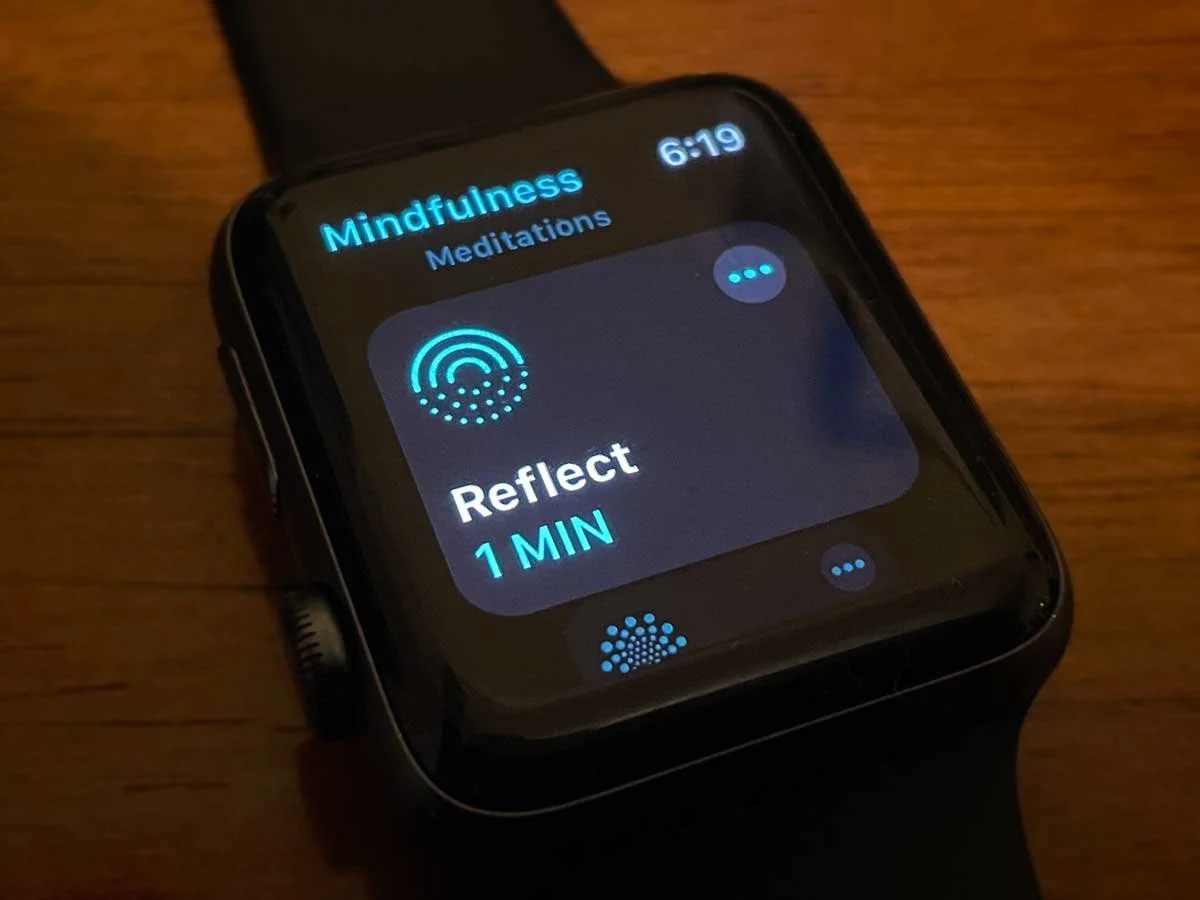
They are often free or cost comparably little, they can be done anywhere and at any time, and they do not expect long-term commitment. Traditional therapy might feel like a major social hurdle too, because now you are entering a contract with another person whose time, feelings, and expertise are valuable.
In contrast, chatbot therapists require no scheduling or time constraints. Sessions can occur whenever the user wishes and for however long the user wishes to access the service. There is no risk of judgement from a chatbot therapist either.
The message behind these platforms is that you deserve to go to therapy. Yes, you! The podcast listener, the YouTube watcher, the average person who goes to work, has a family, and made plans for this weekend deserve to invest in mental health maintenance.
Contrast that message with what people might be hearing in the real world. Even with dedicated awareness campaigns and a major cultural shift, psychotherapy and mental health treatment is still stigmatized. Even when we know better, most of us still feel that stigma. Moreover, healthcare systems are strained, and it can leave many of us feeling that we don’t want to take up the space from someone who “really needs it”.
So that’s their pitch. Not only is it easier to access than traditional therapy, but it is also built for you—a person who doesn’t “really need” a traditional therapist. Because everything is fine. You’re just a little unhappy. And an occasional video call should fix that right up.
Well, we agree with BetterHelp on one point: you do deserve therapy. But you deserve more than an app. They cannot replace the depth, continuity, and personal understanding that come from working with a therapist. You deserve to take your mental health seriously—and you deserve the kind of thoughtful, individualized care that comes from working with a dedicated therapist.
“We agree with BetterHelp on one point: you do deserve therapy.”
We want to contrast the kind of therapy we offer with an online casual therapy platform like BetterHelp because there is an important difference between convenient access to mental health support and engaging in psychotherapy as a sustained course of treatment.
The kind of therapy that most clinics offer is the full package: regular meetings with a registered psychotherapist rather than isolated conversations or on-demand support, psychotherapy involves meeting regularly, developing a shared understanding of your difficulties, and working together through a thoughtful, evidence-based treatment plan. It is often a challenging process—but also one that has the potential to bring about deep, meaningful, and lasting change. Journalling, sleep tracking, meditation, and regular fitness routines can be an important part of mental health. There’s nothing wrong with using these platforms as a part of your mental maintenance.
There’s no harm in booking a consultation appointment. We look forward to helping you begin your therapy journey.